The three-layer principle
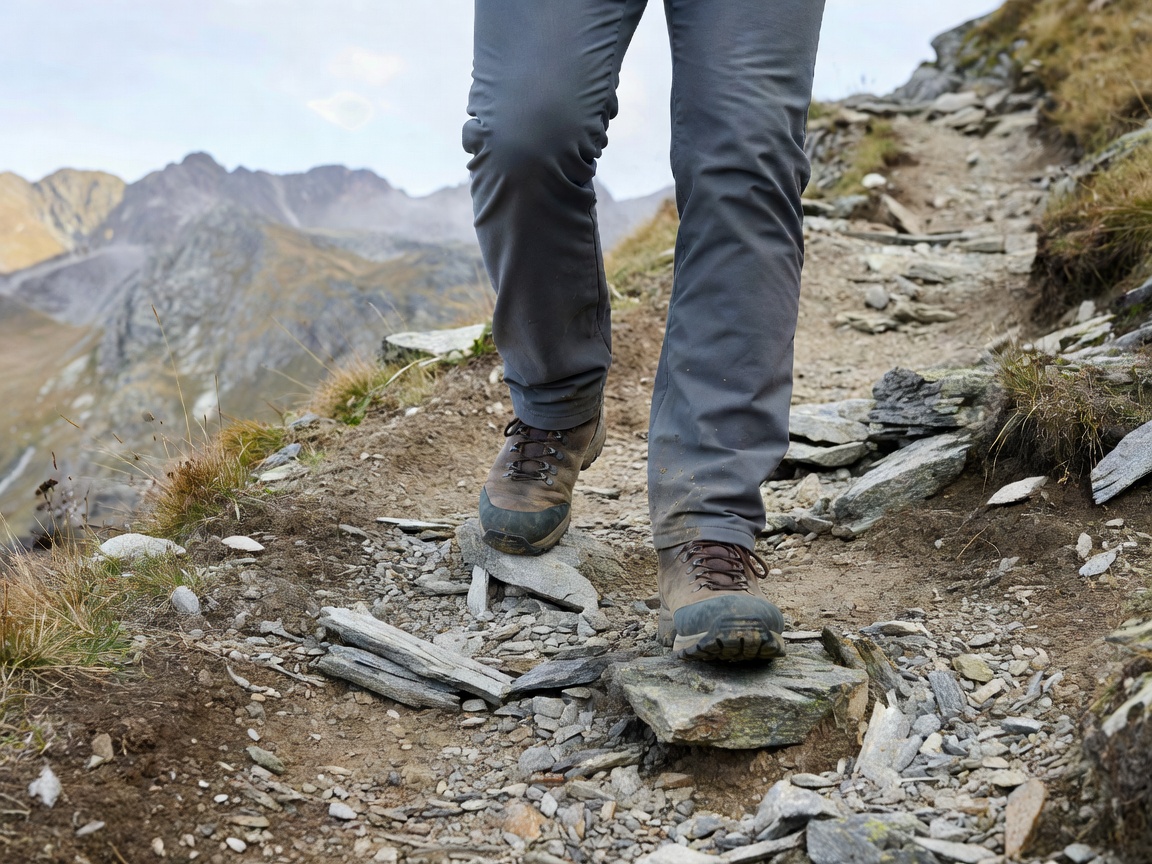
Alpine clothing in Austria is built around a simple idea: no single garment handles cold, wind, wet and sweat at once, so you stack three purpose-built layers instead. The base layer manages moisture against the skin, the mid layer traps warmth, and the shell blocks wind and precipitation. Getting each layer right matters more than buying an expensive shell and hoping it compensates for a poor base layer.
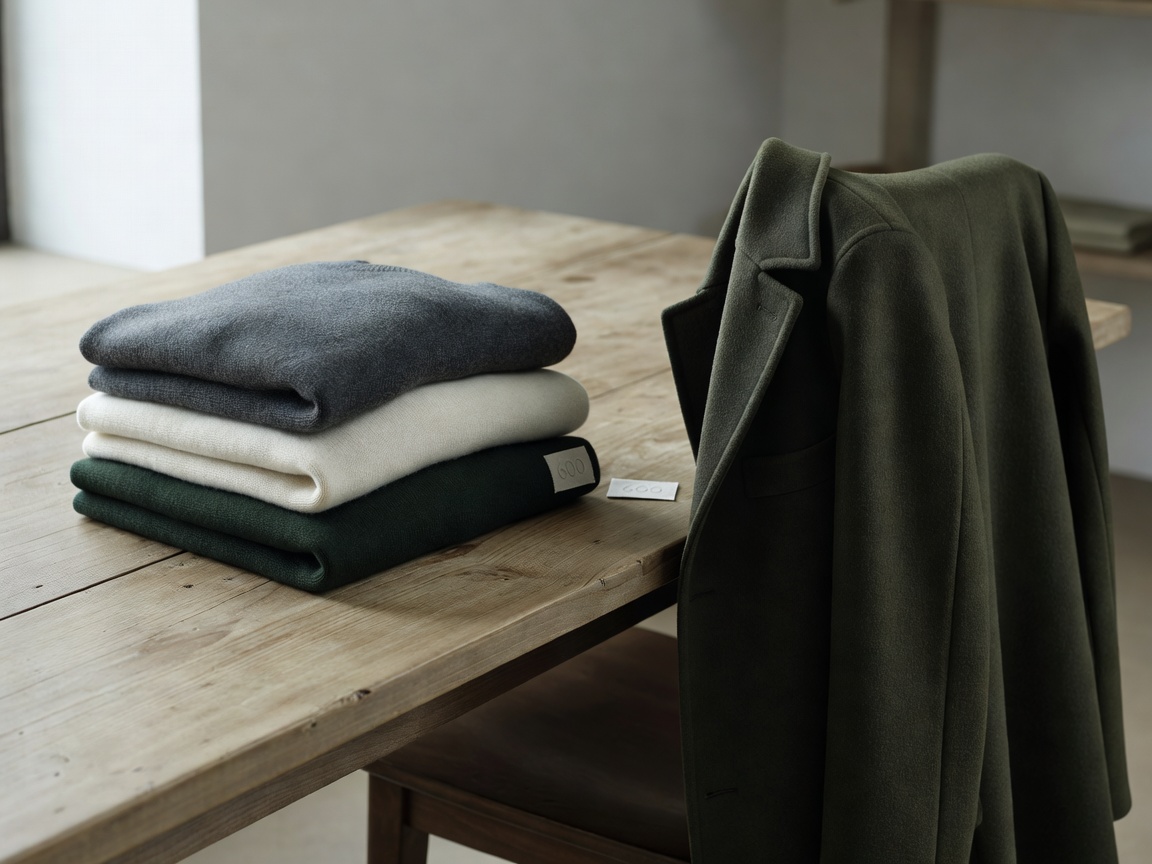
Base layers are usually merino wool, synthetic (polyester/polypropylene blends), or a merino-synthetic blend. Merino resists odour over multiday trips and regulates temperature well, but dries slower than synthetics and costs more per garment. Synthetics dry fast and survive rough handling, but can smell after a few wears without washing.
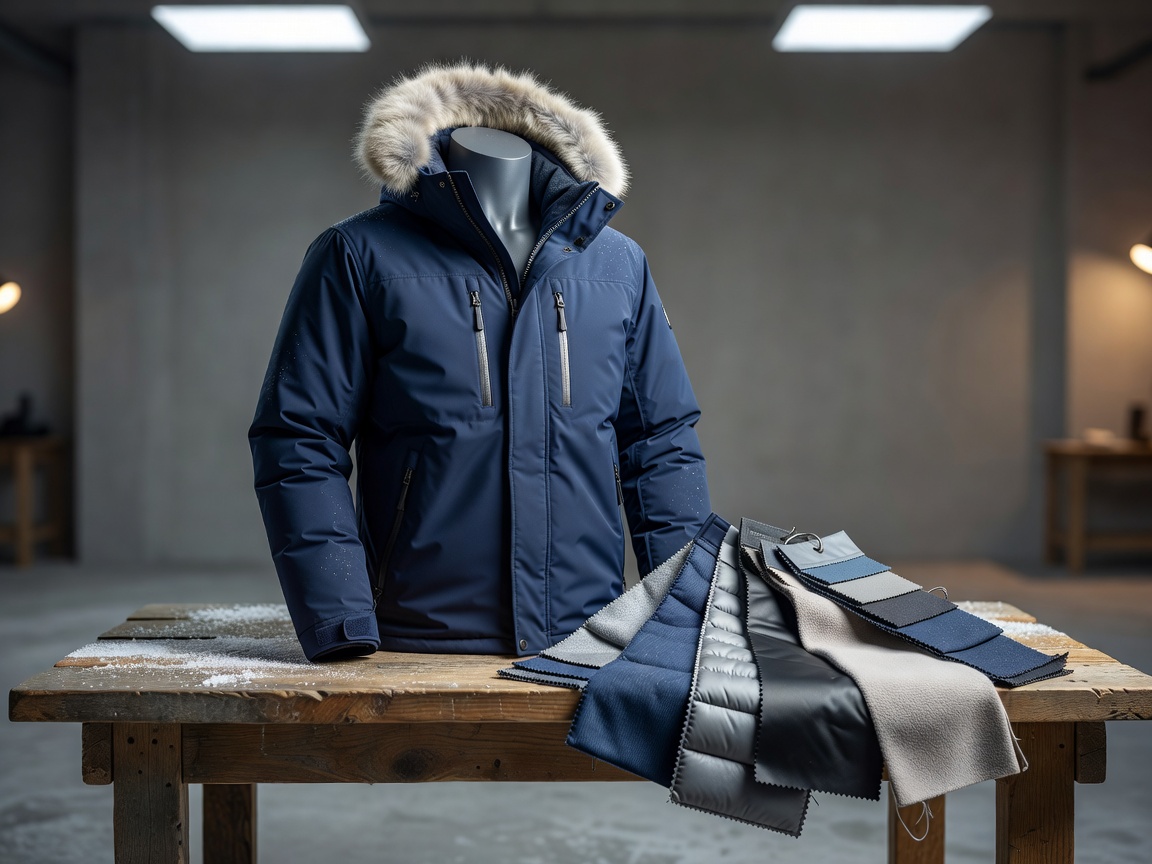
Mid layers range from fleece to synthetic insulation to down. Fleece breathes well and is inexpensive to replace; synthetic insulation (like those used in many Austrian and German softshell mids) keeps some warmth when damp; down offers the best warmth-to-weight ratio but performs poorly once wet unless treated.
Shells split into hardshells (fully waterproof, less breathable) and softshells (windproof and breathable, only water-resistant). Which one you need depends on where you're headed — a valley walk in light rain calls for a softshell, while an exposed ridge in a squall calls for a hardshell.
Austrian and EU brands worth knowing
Ortovox is closely associated with the Austrian and Bavarian Alps and built its reputation on avalanche safety equipment before expanding into merino wool base layers and mid layers designed specifically for ski touring and alpinism. Its wool sourcing and product development are tied to alpine use cases rather than general outdoor wear.
Löffler is headquartered in Ried im Innkreis, Austria, and is known for seamless knitting technology applied to technical sportswear — running, cycling and ski apparel that fits close to the body without chafing seams. Several of Löffler's core ranges carry an Austrian-manufacturing designation, which is unusual in a market where most technical apparel is produced in Asia.
Dynafit, part of the Oberalp Group, has roots in Alpine ski touring gear and produces layering pieces engineered around the specific demands of ski mountaineering — lightweight, highly breathable, and built to move with an uphill stride.
Schöffel, a German label widely worn across Austrian resorts and trails, takes a more general "all-mountain" approach, covering hiking, skiing and everyday alpine wear with a broader, less specialist product range.
| Brand | Origin / Ties | Known For | Production Note |
|---|---|---|---|
| Ortovox | Alpine region, strong Austrian/Bavarian ties | Merino base layers, avalanche safety gear | Some wool lines produced in the EU |
| Löffler | Ried im Innkreis, Austria | Seamless technical knitwear | Core ranges marked "Made in Austria" |
| Dynafit | Oberalp Group, Alpine heritage | Ski touring layers & shells | Mixed EU manufacturing network |
| Schöffel | Schwabmünchen, Germany | All-round mountain apparel | Mixed EU/Asia production |
Merino wool vs synthetic base layers
Merino wool
- Naturally odour-resistant over multi-day use
- Regulates temperature in variable conditions
- Soft against skin, low irritation
- Biodegradable at end of life
Synthetic
- Dries significantly faster after sweat or rain
- More durable under repeated abrasion
- Generally lower cost per garment
- Can retain odour without regular washing
What to check before buying
- Fit for movement: alpine layers should allow a full overhead reach without the hem lifting or seams pulling.
- Weather rating: look for a stated waterproof/breathability rating on shells rather than marketing language alone.
- Care instructions: merino and treated down layers often need specific detergents to preserve performance.
- Certifications: labels like bluesign or GOTS indicate a supply-chain standard has been audited, though they don't guarantee fit or durability.
Tip: pack for temperature swings, not just cold. Austrian alpine weather can shift by 10°C within an afternoon, so a compressible mid layer you can add or remove is usually more useful than one very warm single jacket.
None of these brands are interchangeable — Ortovox and Dynafit lean toward ski touring and technical alpinism, Löffler toward close-fitting technical sport, and Schöffel toward general mountain wear. Matching the brand's specialism to your actual activity will do more for comfort than chasing a specific name.