Technical wear left the trailhead
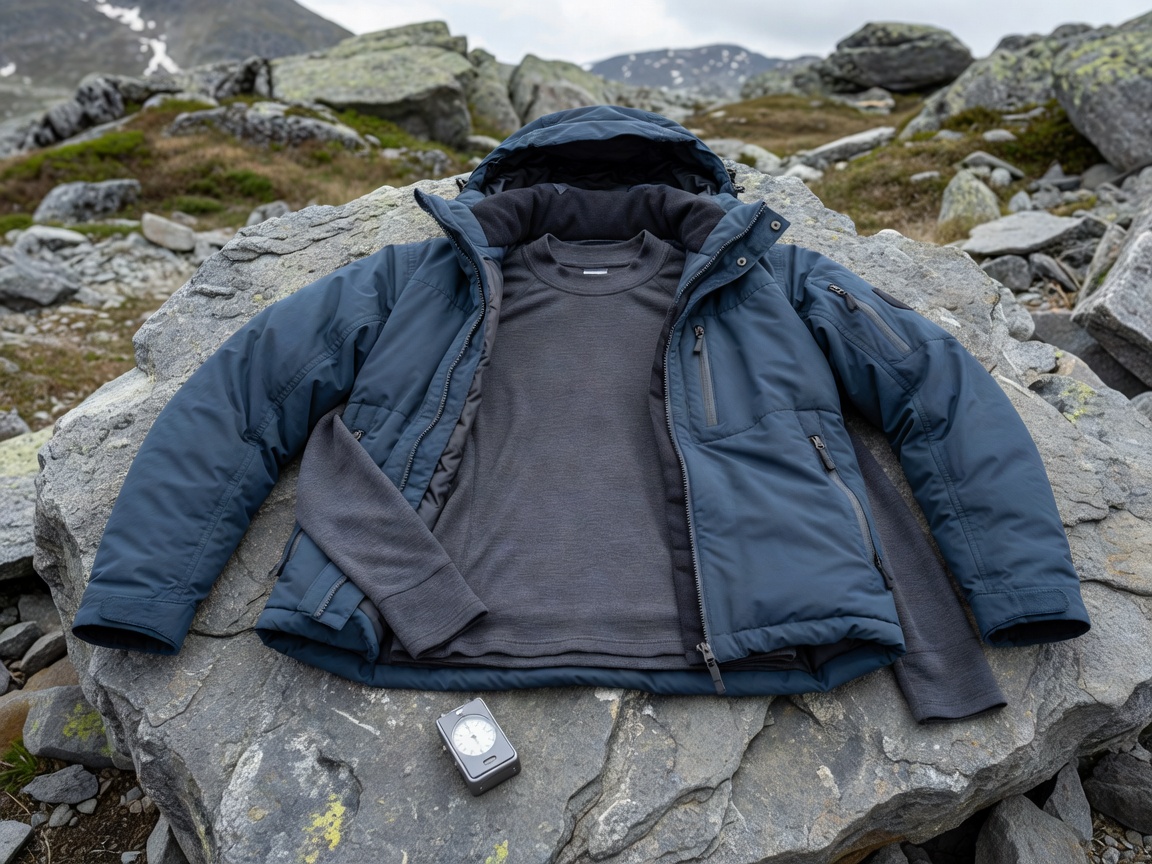
Over the past decade, gear originally designed for alpinism and ski touring — softshells, insulated vests, technical trousers — moved into city wardrobes. This crossover, sometimes called "gorpcore," rewarded brands that could keep genuine technical specs (weatherproofing, stretch, breathability) while designing silhouettes that work outside the mountains. Austria's outdoor sector, already strong in technical apparel, had a head start.
The distinction that matters for buyers is between brands that added fashion styling to existing technical platforms, and brands that were built from the start with both use cases in mind. Both approaches can work, but they lead to different trade-offs in fit and durability.
Brands blending function and design
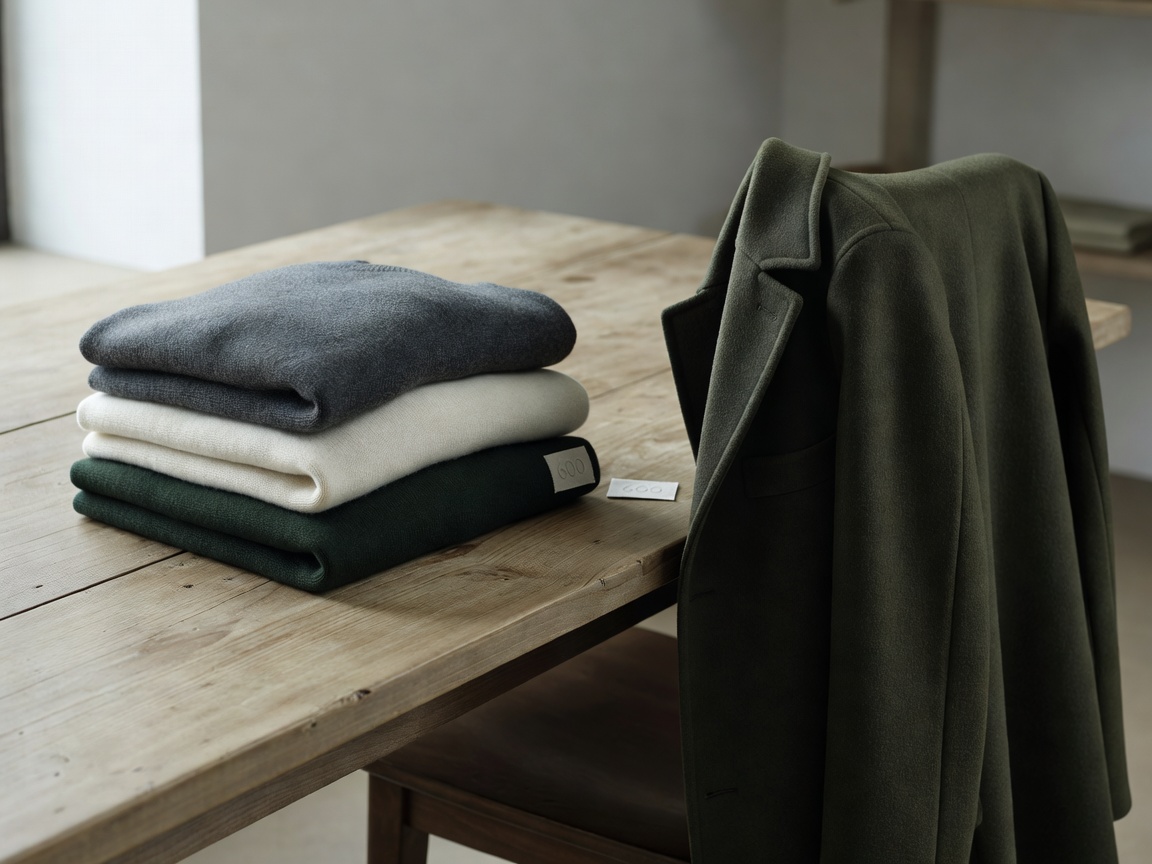
Vresh is a Vienna-based label that positions itself at the intersection of sustainable material choices and outdoor-influenced streetwear, favouring recycled and natural fibres over purely performance synthetics. It's a useful example of a brand designing for daily wear first, with outdoor-style detailing (utility pockets, technical cuts) layered on top rather than the reverse.
Kjus, founded in Kitzbühel, built its name in performance skiwear and golf apparel before expanding into more general premium outdoor-influenced clothing. Kjus pieces tend to keep genuine ski-derived technical construction — articulated seams, stretch fabrics — even in styles marketed for everyday use.
Löffler, primarily a technical sportswear maker, also produces crossover ranges that carry its seamless knitting construction into more casual silhouettes, which is worth knowing if you want the fit benefits of technical knitwear without a strictly athletic look.
What separates genuine crossover pieces from styling exercises
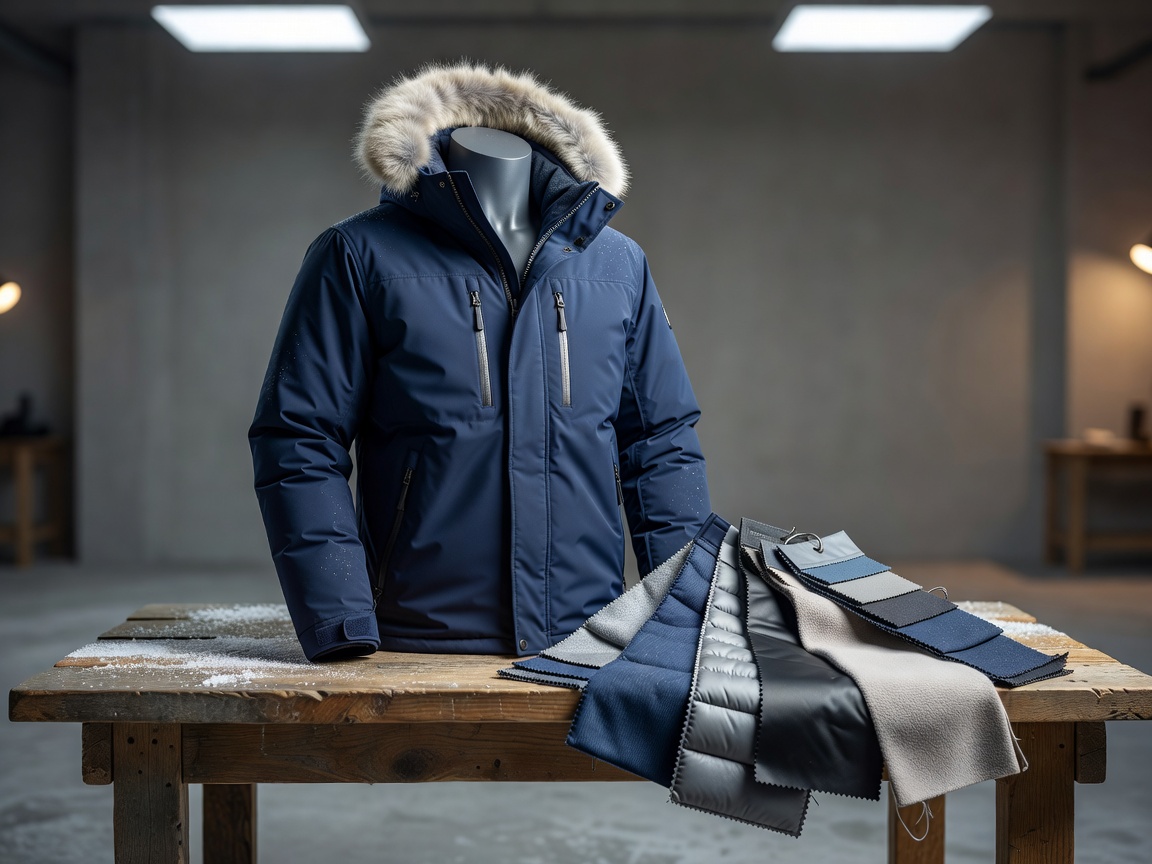
- Fabric technology disclosed: genuine crossover pieces usually still name a specific membrane, knit structure or fibre blend, not just "water-resistant."
- Construction details: articulated knees, underarm gussets and taped seams are expensive to include and signal a technical origin.
- Care labelling: pieces with real performance fabric usually carry specific washing instructions (no fabric softener, low heat) rather than generic care symbols.
Buying crossover pieces
- One garment covers commuting and light outdoor use
- Often better cut than pure technical wear
- Usually more durable than fast-fashion equivalents
Trade-offs to expect
- Rarely matches specialist gear for extreme conditions
- Premium pricing tier due to fabric and construction cost
- Fewer size/colour options than mainstream fashion lines
Note: if you need gear for a specific demanding activity — glacier travel, multi-day alpine touring — buy from the specialist ranges covered in our Alpine Clothing guide rather than a crossover fashion line.
Where to see it in context
Vienna's design and fashion scene has increasingly showcased this outdoor-to-fashion crossover at local trade and design events, giving smaller Austrian labels visibility alongside larger sportswear names. For shoppers, that means it's worth checking a brand's own materials page for specifics rather than assuming a technical look equals technical performance.