Ski and winter wear: what actually differs between brands
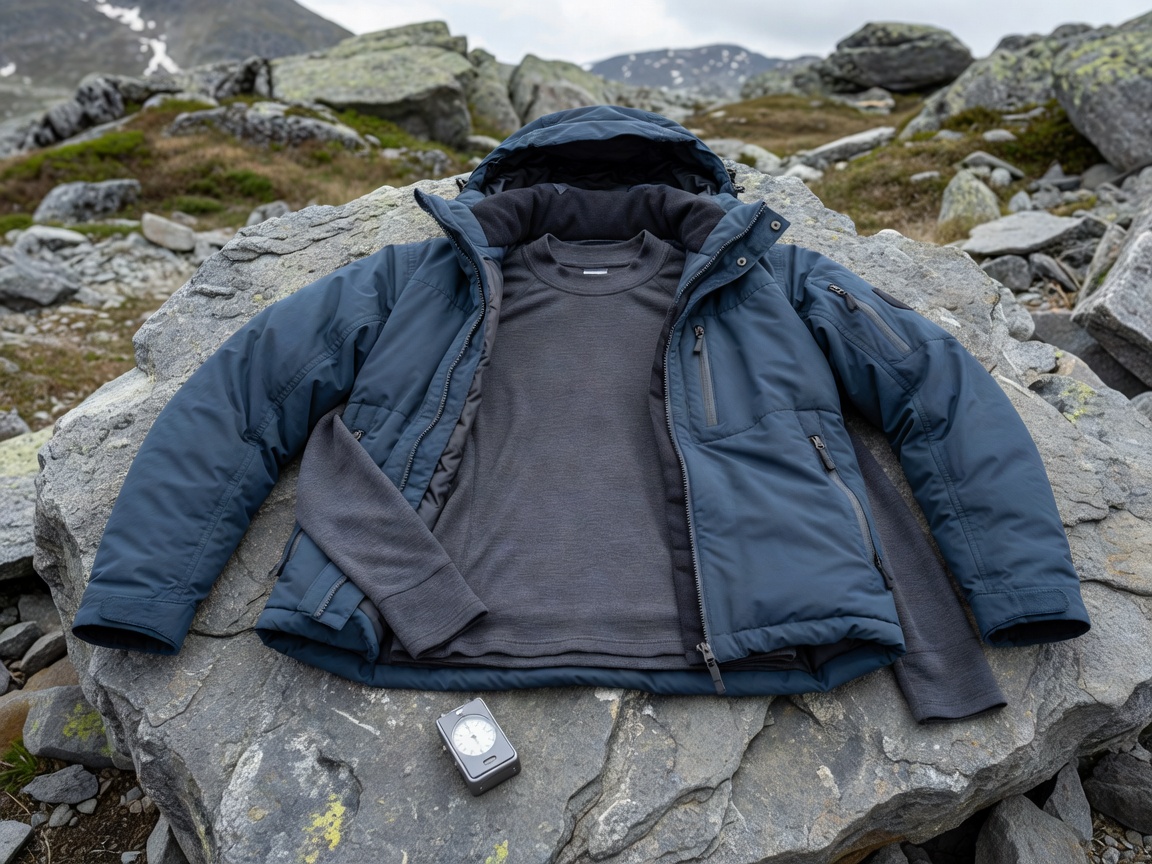
Kjus, founded in Kitzbühel, built its reputation on competition-oriented ski wear with close, athletic cuts and articulated construction designed for racing and high-performance recreational skiing. Bogner, though founded in Munich, has a long-standing association with Alpine ski culture and Austrian ski teams, and is known for a more fashion-forward silhouette that still carries genuine technical insulation and waterproofing.
Löffler extends its seamless knitting technology into ski base and mid layers, prioritising fit and moisture management over the fashion-led styling that some competitors lean on. The practical difference for buyers: Kjus and Bogner suit skiers who want a tailored, performance-oriented look; Löffler suits skiers who prioritise next-to-skin comfort across a full day on the slopes.
| Brand | Ski Wear Focus | Silhouette | Best For |
|---|---|---|---|
| Kjus | Performance/racing heritage | Athletic, close-fitting | Serious recreational and competitive skiers |
| Bogner | Alpine ski culture & design | Fashion-forward, tailored | Skiers who want style with real insulation |
| Löffler | Seamless technical base/mid layers | Close, seamless fit | All-day comfort under a ski shell |
What "sustainable" actually means in this category
Sustainability claims in outdoor and ski apparel usually break down into a few concrete categories: recycled or bio-based fibres, shorter or EU-based supply chains, third-party certifications (such as bluesign for chemical management or GOTS for organic textiles), and repair or take-back programmes. No single brand covers every category perfectly, so it's worth checking which specific claim a brand is making rather than treating "sustainable" as a single verified status.
Vresh, based in Vienna, is a useful example of a brand built explicitly around shorter EU supply chains and recycled or natural material choices, positioning itself against the long, opaque supply chains typical of fast fashion. Fussenegger Textil, a long-established Austrian textile manufacturer in Vorarlberg, represents the manufacturing side of this equation — a heritage producer supplying fabric to brands that want a traceable, regional source rather than an offshore mill.
Austrian designers beyond the big outdoor names
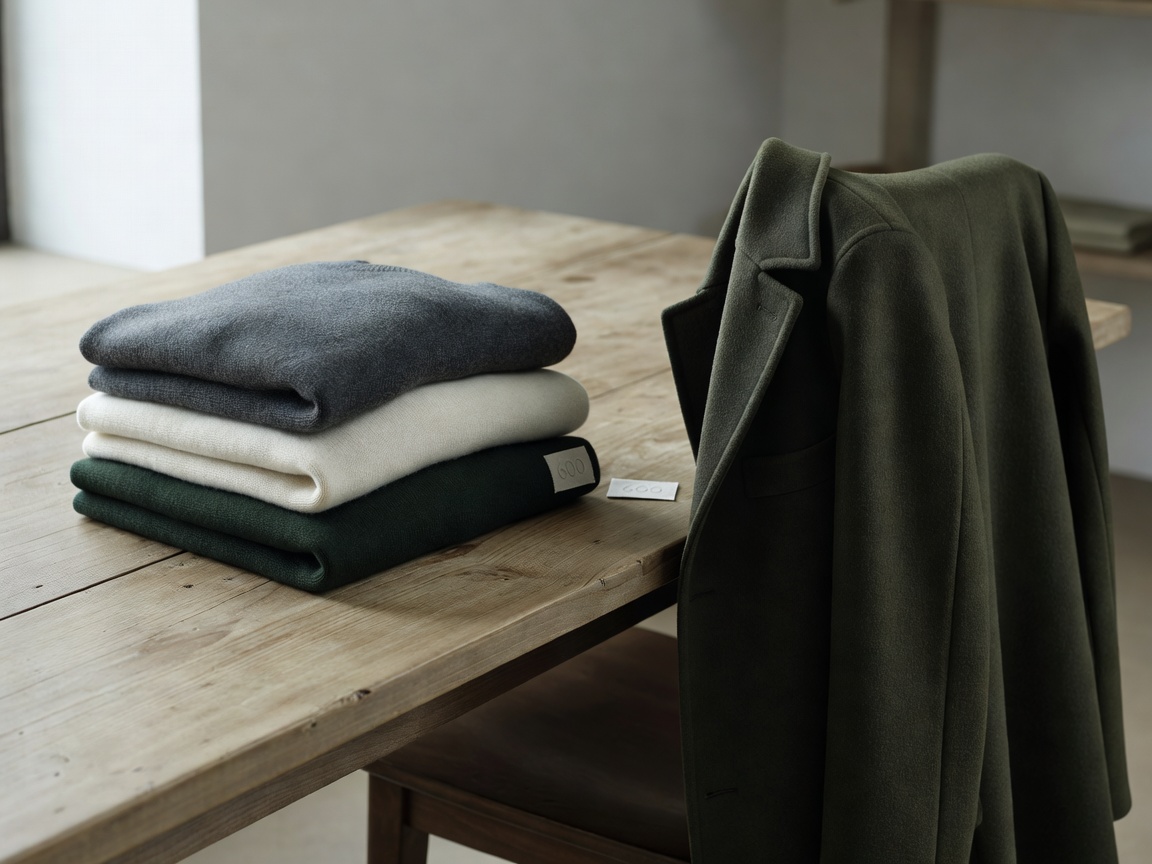
Vienna's smaller design studios increasingly work in wool and technical-adjacent fabrics sourced regionally, often producing in limited runs rather than mass volume. This scale makes strict cost comparisons difficult, but it generally means higher per-garment prices offset by lower environmental transport cost and more direct accountability if something goes wrong with an order.
EU/local production
- Easier to verify labour and environmental standards
- Faster fault resolution and smaller batch quality control
- Lower transport-related emissions per garment
Trade-offs
- Higher price tier than offshore mass production
- Smaller size and colour ranges typically available
- Longer lead times for made-to-order pieces
Tip: look for a stated production country on the garment label or product page rather than relying on brand headquarters location alone — a brand founded in Austria can still manufacture elsewhere for specific product lines.