Match your kit to the terrain, not the season alone
Austrian hiking spans a wide range within a single day: forested valley approaches, open alpine meadows, scree slopes, and occasionally via ferrata sections requiring a harness and helmet. Clothing choices should follow terrain and exposure as much as the calendar month, because a sunny July afternoon at 600m and a ridge at 2,400m can differ by well over 15°C.
Valley and forest trails
Lightweight, breathable softshell trousers and a moisture-wicking t-shirt are usually sufficient. A packable windproof layer covers sudden weather changes without adding much bulk to a daypack.
Open alpine terrain and ridgelines
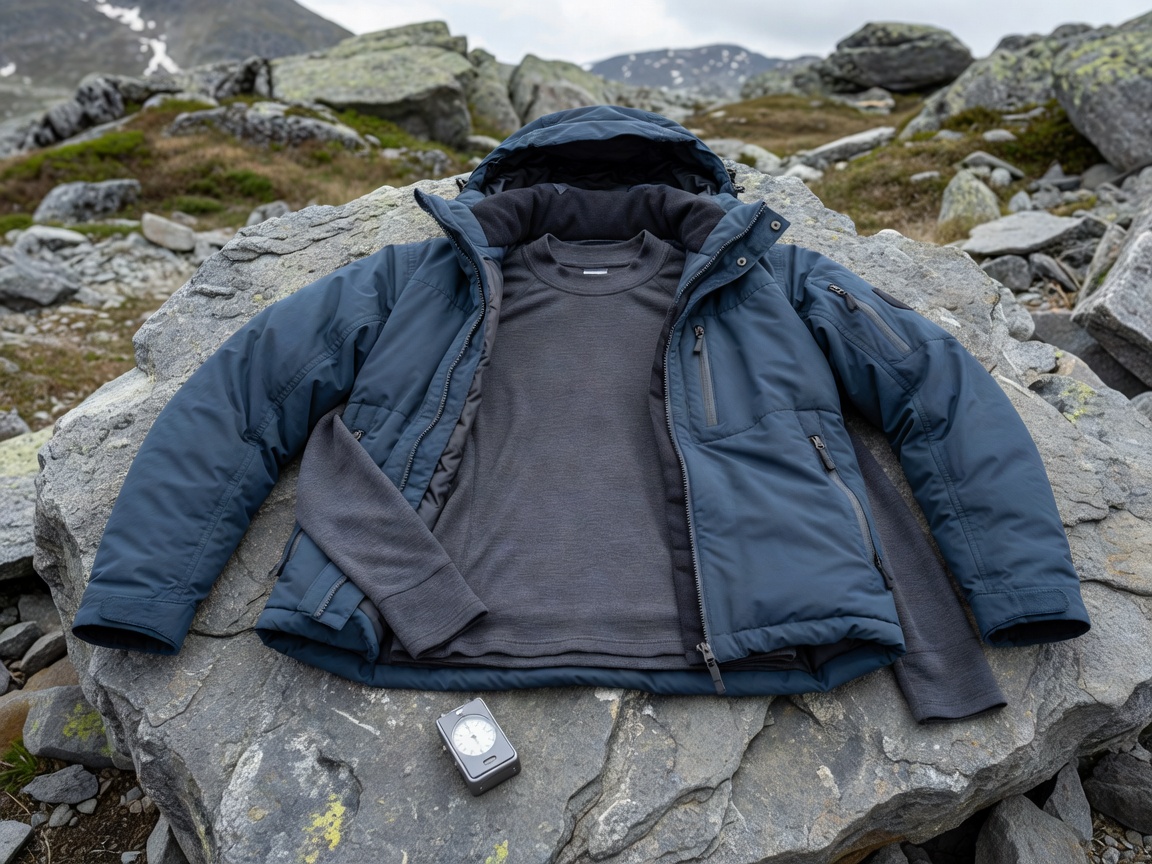
Wind exposure increases sharply above the treeline. A windproof or waterproof shell becomes non-negotiable, along with a warm mid layer that can go on quickly at a summit stop. Gloves and a buff are worth carrying even in summer.
Via ferrata and scrambling routes
Abrasion-resistant trousers and gloves matter more than breathability here, since contact with rock and cable is frequent. This is specialist terrain requiring proper protective equipment beyond clothing alone.
Footwear: the decision that matters most
Footwear brands like Meindl and Lowa — both German bootmakers widely sold and worn throughout Austria — dominate the mid-to-premium hiking boot category, offering a range from flexible day-hiking shoes to stiff-soled mountaineering boots. The right choice depends on load carried and terrain rigidity, not brand loyalty:
| Boot Category | Best For | Sole Stiffness | Trade-off |
|---|---|---|---|
| Trail shoe / low boot | Day hikes, well-maintained paths | Flexible | Less ankle support on rough ground |
| Mid-cut hiking boot | Multi-terrain day hikes, light packs | Moderate | Heavier than trail shoes |
| Mountaineering boot | Alpine routes, crampon-compatible | Stiff | Overkill and uncomfortable on flat trails |
Softshell vs hardshell for hiking specifically
Softshell
- Better breathability during sustained climbing
- More comfortable across a temperature range
- Quieter and more flexible for scrambling
Hardshell
- Essential in sustained rain or exposed wind
- Fully waterproof rather than water-resistant
- Traps more heat and moisture during exertion
Sun and insect protection
Alpine UV exposure is stronger than lowland sun at equivalent air temperature, particularly on snow or light rock. A lightweight long-sleeve sun layer is often more practical than repeated sunscreen application on multi-hour routes, and covers insect exposure on lower forested sections at the same time.
Tip: check the mountain weather forecast for your specific altitude band, not just the nearest town — conditions at a summit routinely diverge from valley forecasts, especially for wind speed.
For layering pieces to pair with hiking-specific footwear and outerwear, see our Alpine Clothing guide for how base, mid and shell layers combine on longer or higher-altitude routes.